
It usually comes up in the first two minutes of the call. Before the goals, before the history, before anything about what hurts: what insurance do you take? The answer is none. WLF Club is an out of network clinic in Fort Worth, on purpose, and that answer deserves a real explanation rather than a shrug and a price.
So here is the honest version. What being out of network actually means, why WLF is built that way, what it changes about a visit, and how people pay for it without a plan involved.
A network is a contract, and a contract shapes what a visit is allowed to be: how long, how often, and what has to be written down as medically necessary before anyone gets paid. WLF never signed one. You pay directly, and the visit gets built around what you came in for instead.
What out of network actually means
A network is a list. It is the specific set of facilities and providers your plan has agreed in advance to pay a set rate for, which HealthCare.gov's glossary defines as "the facilities, providers and suppliers your health insurer or plan has contracted with to provide health care services."Read the glossary entry. Being in a network means signing that contract: you accept the plan's rate, for the plan's list of services, in exchange for the patients the plan sends you.
WLF never signed one. Not because there is anything wrong with the clinics that do, but because everything below follows from that one decision.
Normally, two terms describe what it costs you when a provider is outside your plan. Out-of-network coinsurance is the percentage you pay of the allowed amount for a covered service, and it "usually costs you more than in-network coinsurance."See the glossary entry. Balance billing is when a provider bills you for the gap between what they charged and what the plan allowed.And that one
Both of those describe what happens when a plan is paying for part of something. WLF does not bill your plan at all. There is no claim filed, no allowed amount to argue with, and no gap to bill you for later. You pay WLF directly, at a number you were told before you booked.
Why WLF is built this way
A network contract does more than set a price. It sets the shape of the visit.
For a plan to pay, a service has to justify itself as medically necessary, and that pulls a visit toward what the code covers. How long you are in the room, how soon you can come back, whether the thing you actually want to work on counts at all: those stop being a conversation between you and your provider and start being a question about what the contract allows.
WLF is a clinic and a gym in one building, and a lot of what happens here, training, recovery, testing you ran because you wanted a baseline rather than because something was already wrong, does not have a code behind it. Building the place around what a plan reimburses would have meant building a smaller place.
The tradeoff is real and it runs both ways. Nobody is absorbing part of the cost for you. What you get back is a visit nobody had to justify to a third party.
What that changes for you
Concretely:
- Visit length is not capped by what a billing code allows for that visit type.
- How often you come back is a conversation with your provider, not a medical necessity review.
- Nothing has to be documented a particular way to survive a claim.
- There is no prior authorization to wait on and no denial letter to appeal, because nothing was ever filed.
- You get the price before you book. Ask on the call and you get a number, not "it depends on your plan."
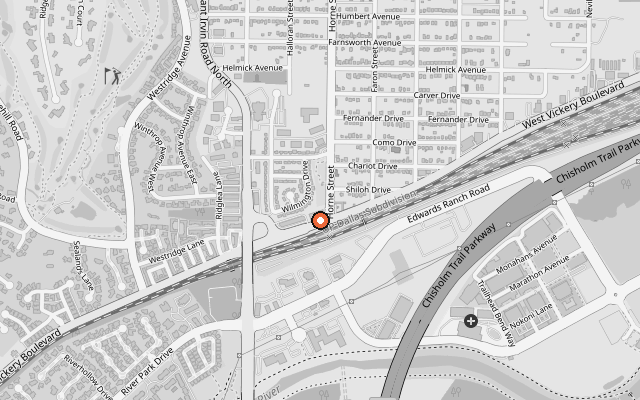
That last one is the part people are usually most surprised by, and it is the easiest to test. WLF Club is at 5724 W Vickery Blvd in Fort Worth, and pricing is part of the same free call that starts everything else here.
How people actually pay for it
Paying directly does not mean paying blind, and it does not mean insurance is irrelevant to you. In practice people do one of three things.
Most pay the way they would pay for anything else, by card, at the price quoted on the call. Some use an HSA, which is a way of paying with money set aside pre-tax rather than a plan that has to approve anything first. And some ask for a superbill, which we issue on request: a line item receipt of what was done for you, which you submit to your own plan yourself.
That third one is the one people assume does not exist when a clinic is out of network. WLF is not filing anything with your insurance company for you. That is a different thing from you not being allowed to file. What comes back, if anything, is your plan's decision and nobody here can promise you an outcome on it.
What this isn't
This is not an argument that insurance is bad or that a clinic taking it is doing something wrong. Plenty of care needs exactly what a network provides, and if you are dealing with something serious and covered, use your coverage.
It is also not a claim that WLF costs you less. That depends on your plan, your deductible, and what you are comparing it against, and those are numbers WLF does not have and will not guess at.
What it is: a clinic that decided not to build care around what a contract allows, and would rather tell you that on the phone than let you work it out from a bill.
Frequently asked questions
QDoes WLF Club take my insurance?
No. WLF Club is an out of network clinic in Fort Worth and does not bill insurance plans. You pay directly, and you get the price before you book, on a free phone consultation.
QWhy doesn't WLF Club take insurance?
A network contract shapes a visit around what a billing code allows: how long, how often, and what has to be documented as medically necessary. Paying directly is the tradeoff for a visit that is not built that way.
QWill WLF Club file a claim with my insurance company?
No. WLF does not file claims on your behalf. If you want to ask your plan to count what you spent, a superbill is the document that makes that possible, and whether the plan pays anything back is between you and them.
QIs WLF Club more expensive than an in-network clinic?
That depends on your plan, your deductible, and what you are comparing it to, so it is not something WLF claims either way. What is true either way is that you will know the price before you book.
QCan I still use my HSA if WLF Club doesn't take insurance?
An HSA is a way to pay, not an insurance plan, so being out of network does not by itself rule it out. We accept HSA cards for qualifying services. Whether a specific service qualifies is set by your plan and your plan administrator rather than by us, so check with them before you count on it.
QWhat is a superbill?
A line item receipt of what was done for you, for services you paid cash for, which you submit to your insurance yourself to ask for reimbursement or to have it count toward your deductible. It is not a bill, because you have already paid. WLF issues one on request, and it is not a guarantee that anything comes back.
This article is for education, not medical advice, and it isn't a promise of a specific result. Talk with a qualified provider about your situation before changing your training or health plan.
Sources: HealthCare.gov glossary, Network · Out-of-network coinsurance · Balance billing. Every citation links to the original source above.