
Twenty minutes on a bike that never looks hard. The cuffs are doing the work.
Vasper is short for vascular performance. Pneumatic cuffs and chilled water change the conditions around a light effort instead of adding load to it.

Sound
familiar?
These are the patterns Vasper at WLF is built around.
Most training gets harder by adding load. This one changes the conditions around a light one instead.
Continue readingI do not have an hour, and I stopped pretending I did.
Long cardio leaves me too wrecked to train the next day.
I am coming back from something and cannot load it yet.
I want the stimulus without the beating.
Most training gets harder by adding load. This does not.
A normal hard session gets its stress from load: more weight, more distance, more pace. Vasper is built to get a comparable demand out of a light load by changing what is happening in the tissue while you move it. The pedalling itself barely changes.
Cuffs, cooling and intervals, at the same time.

Four cuffs, set to a pressure, before you move.
You sit on a recumbent bike or an arm ergometer fitted with pneumatic cuffs on both arms and both legs. Once you are seated the cuffs inflate to a set pressure and chilled water starts circulating through channels built into them.
Short bursts, not one long steady ride.
You pedal or crank through short intervals, an easy effort followed by a harder one, for around twenty minutes in total. Most of it runs at a pace that would barely count as a warm up on a normal bike.
Restriction, cooling and intervals together.
The cuffs partially limit blood return from the limb during a working interval, which changes how the muscle experiences a given effort. That is the same principle behind blood flow restriction used in rehab and strength settings, applied through pneumatic cuffs rather than a band. The chilled water lowers local skin temperature at the same time, and the effort is delivered in bursts rather than one steady ride.
We will tell you where the evidence is thinner.
The individual mechanisms here are well studied on their own. Vasper combines them, and the research on the combination is younger than the research on any one part of it. So this is offered as one option inside performance training and recovery, chosen from what your assessment finds, and never as the thing that replaces training.
Take a look inside.
The machine, in the room it runs out of.

Asked before the first visit.
Anything else, call (817) 349-7815 and ask. A person answers, not a phone tree.
Does a Vasper session actually feel like a workout?
Most people are surprised by how light the pedalling is. The cuffs and the cooling are what change the demand, so watching it from across the room never looks hard.
How long does it take?
Around twenty minutes on the machine, plus a few minutes either side to get the cuffs fitted and taken off.
Do the cuffs hurt?
They inflate to a set pressure and they are meant to be firm, not painful. Tell your coach if it is uncomfortable and the pressure is adjusted.
Is this the same as blood flow restriction training?
Restriction is one of the three things happening. Vasper applies it through pneumatic cuffs rather than a band, and runs chilled water and an interval structure alongside it.
Should I do this instead of lifting?
No. It is one tool inside a plan, not a replacement for training. What you actually need gets decided from your assessment.
The first visit is an assessment, not a package.
You get fitted, you run about twenty minutes of intervals, and a coach tells you honestly whether this belongs in your plan.

Ready to stop guessing?
Capacity is one pillar of six. Book a free phone consultation, tell us what you are after, and we will name the right first step.
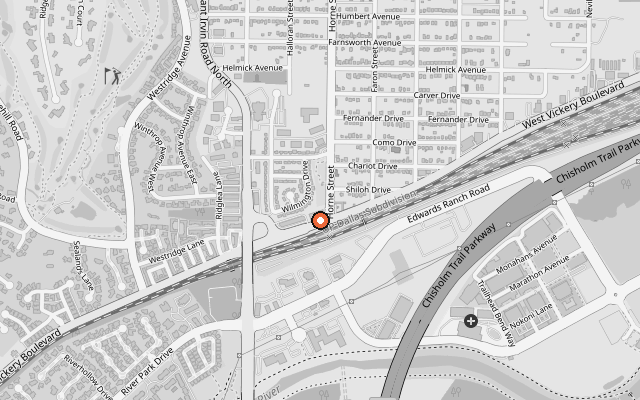 © OpenStreetMap contributors
Tap for the live map
© OpenStreetMap contributors
Tap for the live map
Last booking Monday to Thursday at 8:00 pm.
A real person reads these. Prefer direct? Call or text (817) 349-7815.