
Most people don't run a blood panel until something is already wrong. They wait for fatigue that won't go away, a number on the scale that surprises them, or a friend's diagnosis that scares them into finally booking a physical. By then, the test is chasing a problem instead of watching for one.
A standard physical checks a short list of markers. A wider panel, the kind people mean when they search comprehensive blood work Fort Worth, checks dozens of markers instead of a handful, then reads them together instead of one at a time. None of this replaces a doctor, and it doesn't mean a standard physical isn't worth having. It usually just isn't the whole picture, which is exactly why more people are running a wider panel in their 30s and 40s instead of waiting for a symptom to force the issue.
A comprehensive panel isn't built around one scary number. It's built around having a real baseline early enough that your next test actually means something, because a trend across years says more than any single result on its own.
What a standard physical actually checks
Most annual physicals run a short list: a complete blood count, maybe a basic metabolic panel, sometimes a cholesterol check. A complete blood count looks at your red cells, white cells, and platelets, the counts that show how your blood is doing its basic jobs: carrying oxygen, fighting infection, and clotting when it needs to.MedlinePlus breaks down what each part measures. That's a real, useful test. It's also a small slice of what your blood can tell you.
Comprehensive blood work Fort Worth: what a wider panel adds
A comprehensive panel builds on that short list instead of replacing it. It usually adds a wider metabolic panel that reads your liver, kidneys, electrolytes, and protein levels together instead of one at a time,as MedlinePlus explains, plus a fuller look at the fat molecules moving through your blood instead of one combined cholesterol number.Cleveland Clinic's lipid panel overview covers what each of those markers separates out.
If you're comparing options for comprehensive blood work near you, this is usually what separates a wider panel from the standard version. Depending on your goals and history, it can also add:
- Thyroid markers, since thyroid function touches energy, weight, and mood, and is easy to leave off a routine check
- Inflammation markers, which give a general read on system-wide strain rather than pointing at one organ
- Iron and key vitamin levels, which affect energy and recovery more than most people expect
- A first look at hormone-related markers, covered in more depth elsewhere on this site
Where hormones fit in
Hormone markers usually ride along on the same draw as the rest of a comprehensive panel, but they're a big enough topic to deserve their own explanation instead of a paragraph tacked onto this one. What matters here is that hormone markers don't get pulled out and judged alone. They get read alongside everything else your panel shows, as part of WLF's medical and health optimization programming in Fort Worth.
Why people start running this in their 30s and 40s
Nothing dramatic usually happens in your 30s. That's the point. Metabolism, recovery capacity, and hormone patterns shift gradually, often years before most people notice a difference day to day. A blood panel in your 20s is mostly a snapshot. The same panel repeated in your 30s and 40s starts to become a trend line, and a trend line is what actually tells you something.
Some markers only get formally screened later by default. Blood sugar control, for example, is commonly recommended for people over 45 or with known risk factors.MedlinePlus outlines the standard screening guidance. That doesn't mean the number is meaningless before then. It means a lot of people are choosing to have a baseline on file well before a standard screening schedule would otherwise call for one, so change shows up as a comparison instead of a surprise.
What the numbers don't tell you on their own
A results page full of numbers and reference ranges tells you almost nothing by itself. Being inside a normal range and being right for your own body are not always the same thing, and the reverse is also true: one flagged number out of forty rarely means what it looks like it means in isolation.
This is where a printout stops being useful and a conversation starts being necessary. Reading a panel accurately means weighing it against your history, your goals, and the rest of your results together, and that's work for a licensed provider, not a website. A comprehensive panel is a tool for that conversation. It isn't a diagnosis, and it isn't a substitute for one.
How WLF reads a panel in Fort Worth
At WLF Club, bloodwork is usually the starting point, not an add-on. The process is simple: you give a blood draw, the lab runs the panel, and then a licensed provider sits down and reads it against your own history and goals, not a generic template built for someone else.
That reading gets weighed against the categories WLF tracks across training, recovery, and medical care, including Metabolic & Nutrition and Hormones & Energy. If a marker points toward something worth watching, that becomes part of your training and recovery plan instead of a number that sits in a portal, unread. It starts the same way everything at WLF starts: with a free phone consultation. If you're weighing bloodwork against other ways to track your progress, why longevity isn't luck covers the bigger picture this panel feeds into.
Frequently asked questions
QWhat is included in a comprehensive blood panel?
It typically builds on a standard blood count and metabolic panel by adding a fuller lipid profile, thyroid markers, inflammation markers, iron and vitamin levels, and hormone-related markers, depending on your goals and history.
QHow is comprehensive blood work different from what my regular doctor runs?
A standard physical usually runs a shorter list of markers meant to screen for common conditions. A comprehensive panel reads more markers together and gets weighed against your own goals and history rather than a single reference range.
QDo I need to fast before comprehensive blood work?
Some markers, like blood sugar and certain lipid readings, are more accurate after fasting, while others aren't affected either way. You'll get specific prep instructions for your panel before your appointment.
QHow often should I repeat a comprehensive panel?
There's no single answer for everyone. Many people repeat a panel every six months to a year, but the right interval depends on what your first panel showed and what you and your provider are tracking.
QCan a blood panel diagnose a disease?
No single panel diagnoses anything on its own. It's a tool that gives a licensed provider information to work with, alongside your history, symptoms, and any other testing.
QIs comprehensive blood work worth it if I feel fine?
Feeling fine and having stable numbers aren't always the same thing, which is exactly why a lot of people in their 30s and 40s choose to build a baseline before anything feels off, not after.
QDoes WLF Club offer comprehensive blood work in Fort Worth?
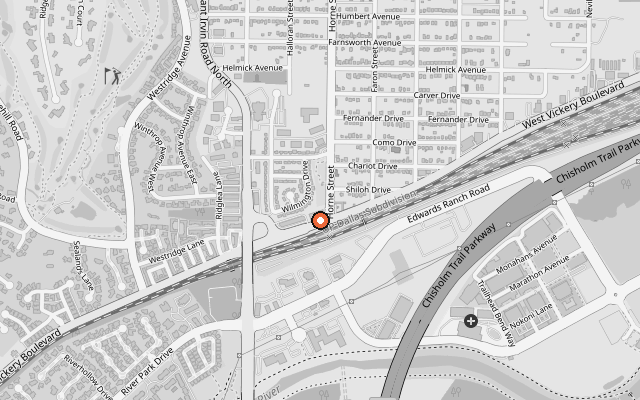
Yes. WLF Club, 5724 W Vickery Blvd, Fort Worth, TX 76107, runs comprehensive blood work in Fort Worth as the starting point for its medical and health optimization programming, read by a licensed provider against your own goals.
This article is for education, not medical advice, and it isn't a promise of a specific result. Talk with a qualified provider about your situation before changing your training or health plan.
Sources: MedlinePlus · Cleveland Clinic. Every citation links to the original source above.