


A clinic and a gym, in one building.
Concierge medicine. Performance. Recovery.
One connected plan.


Sixty seconds. Your starting point.
Tap the one that fits. We will name the pillar behind it and where we would consider starting. No prices, no pressure.
What members say.
This place is next level if you are about health and longevity. As a dad in my late 30’s, keeping myself well physically has become my sole focus.
 JC AikenheadGoogle review
Being a runner means taking recovery seriously, and WLF has made this part of training something I actually look forward to! Dr Colton is intentional, takes the time to build a plan around goals, and treats you like an athlete and not just another appointment.
 Madalaine WardGoogle review
This place is revolutionizing the way longevity and health are done in Fort Worth ... a quick but intense workout on the ARX or Vasper, then recovery in the sauna and cold plunge. All this in an hour.
 Chase TurnerGoogle review
After injuring my lower back I was legitimately worried about a long-term recovery. Dr. Colton helped me take a proactive approach to my rehab - starting on the day of my injury.
 Jackson CohenGoogle review
Every quote is a real Google review, published by the person who wrote it. Read all 35 on Google
Three steps. First call to first session.
We read you first, name the biggest gap, and build the plan on your numbers.

Six pillars, actually read.
Movement, recovery, metabolism, hormones, performance, and mindset, read by the team that will do the work. It starts with a free phone consultation.

Your results explained. Your biggest gap named.
We lay out what we would actually do about it, in order. If membership does not fit what we find, we tell you no.

Treatment, training, and recovery. One roof.
The same team that read you does the work: chiro and rehab, training, the recovery suite, medical where the labs say it fits. Your numbers drive all of it.
Founded by Dr. Colton Purscell.
Doctor of Chiropractic and the reason the club exists.
Two minutes with the founder. Tap the video for sound.

Ready to stop guessing?
The consultation is free, by phone, with a real person from the team. Tell us where you are, and we will point you at the right starting place.
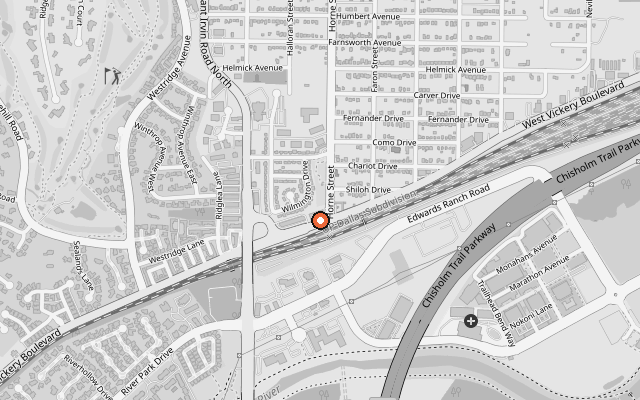 © OpenStreetMap contributors
Tap for the live map
© OpenStreetMap contributors
Tap for the live map
Last booking Monday to Thursday at 8:00 pm.
A real person reads these. Prefer direct? Call or text (817) 349-7815.