
Ask a man over 40 when he last had real bloodwork run, not the quick panel from a yearly physical, and most go quiet for a second before they answer. That pause is the real story behind men's health in Fort Worth. It isn't that men don't know what to check. It's that asking for a real checkup feels like opening a door nobody made him open.
A standard physical is built to catch the obvious. It isn't built to catch the slow drift: a cholesterol number climbing a few points a year, a blood sugar reading edging toward a range nobody flags until it crosses a line, a hormone panel nobody orders because nothing hurts yet. None of that shows up as a symptom for years. It shows up as a number, if anyone runs the test.
The barrier here was never information. Every marker below is something a lab can already measure. The barrier is that asking for a real checkup means admitting something might be off, and a lot of men would rather not know than find out and have to do something about it.
The real barrier isn't information
Most men aren't avoiding a checkup because they distrust it. They're avoiding what a real answer might ask of them. Waiting is easier than finding out your numbers have been drifting for three years while you felt fine. It's the same instinct that keeps a man driving with the check-engine light on: nothing feels wrong yet, so nothing gets checked.
That instinct isn't weakness. It's just a bad trade. A body rarely sends a warning before most of what matters starts to shift, and by the time something feels wrong, the easy fix is usually already gone.
What a standard physical usually runs
A typical annual physical runs a short list: blood pressure, weight, maybe a basic metabolic panel, sometimes one combined cholesterol number. MedlinePlus's screening guide for men ages 40 to 64 notes blood pressure should be checked at least once a year in that range, and that high blood sugar and high cholesterol "may not have any symptoms in the early stages," which is exactly why the simple blood tests matter even when nothing feels off.
That short list is a real, useful floor. It's also a floor, not the whole picture. Blood pressure especially is a quiet number: the CDC notes it usually has no warning signs or symptoms, and plenty of people who have it don't know it, which is exactly why checking it on a schedule matters more than waiting to feel something.
Men's health Fort Worth: what a fuller checklist adds
A wider check builds on that floor instead of replacing it. Depending on your history and goals, it usually adds:
- A full lipid breakdown instead of one combined cholesterol number, since Mayo Clinic notes many adults default to repeating cholesterol testing only every four to six years, longer than a lot of men's own numbers actually stay put
- Blood sugar tracked across more than one visit, not a single fasting reading
- Thyroid markers, since thyroid function touches energy and weight and rarely gets checked unless something else prompts it
- A hormone panel read in context, covered in full in what a hormone panel actually measures, rather than one number pulled out and judged alone
- Blood pressure tracked as a trend, not a single office reading, since one reading alone can move around based on the visit itself
The full marker by marker breakdown of what goes into a wider panel lives in what comprehensive blood work actually includes. This post is about the bigger habit: getting any of it run at all, on a schedule, instead of waiting for a reason.
What a checklist misses if it stops at a blood draw
Numbers from a vein are half the picture. The other half is what your body can actually do, and that half rarely gets measured anywhere. Grip strength, resting heart rate, and how you move under load are just as real a signal as anything on a lab report, and they tend to change years before bloodwork catches up. Strength as a longevity marker covers why that side of the picture matters as much as the blood side.
A checklist that only looks at what's circulating in your blood and never looks at what your body can produce is still an incomplete checklist. Capability is data too.
Why men wait, and what waiting actually costs
Nothing dramatic happens in a man's 40s. That's the problem. Metabolism, recovery, and hormone patterns shift gradually, often for years before anyone notices day to day. A panel run once in your 40s is a snapshot. The same panel repeated on a schedule becomes a trend line, and a trend line is what actually tells you something a single result cannot.
Waiting doesn't make the decision neutral. It's still a decision, it just gets made by default instead of on purpose. The cost isn't drama. It's the years spent not knowing where you actually stood while the drift kept moving.
How WLF Club reads men's health in Fort Worth
At WLF Club, this starts the same way everything does: with a conversation, not a sales pitch. A licensed provider reads your numbers, your history, and your goals together, across the same six pillars WLF tracks for every client, Metabolic & Nutrition and Hormones & Energy included. Nothing here is built to diagnose a reader from a blog post or push one answer before that read happens. It's built to support a real look at where you actually stand.
That read is what decides what, if anything, gets recommended next, whether that's medical and health optimization programming, a change in training, or simply confirmation that your numbers are fine and the next check is a routine one. It starts with a free phone consultation, the same starting point for every part of WLF Club in Fort Worth, TX.
Frequently asked questions
QWhat should a man get checked after 40 that a regular physical misses?
A regular physical usually covers blood pressure and a basic metabolic panel. What often gets left off by default is a full lipid breakdown, blood sugar tracked over more than one visit, thyroid markers, and a hormone panel read in context, plus a baseline on strength and movement rather than blood work alone.
QWhy do so many men wait to get checked until something feels wrong?
Most of what matters here has no early symptom, so nothing is forcing the issue day to day. Waiting also avoids the discomfort of finding out something needs attention, which is a habit more than a lack of information.
QIs a men's health checkup just about testosterone?
No. Testosterone is one marker among several on a hormone panel, and the panel itself is one part of a wider checklist that also covers cholesterol, blood sugar, thyroid, blood pressure trends, and strength. Treating any single number as the whole picture misses the point of running a fuller check in the first place.
QHow often should a man in his 40s repeat bloodwork?
There is no single interval that fits everyone. Many adults default to a cholesterol check every four to six years, but that default assumes nothing else is going on. The right interval depends on your history, your goals, and what your first panel actually showed.
QDoes WLF Club offer men's health checkups in Fort Worth?
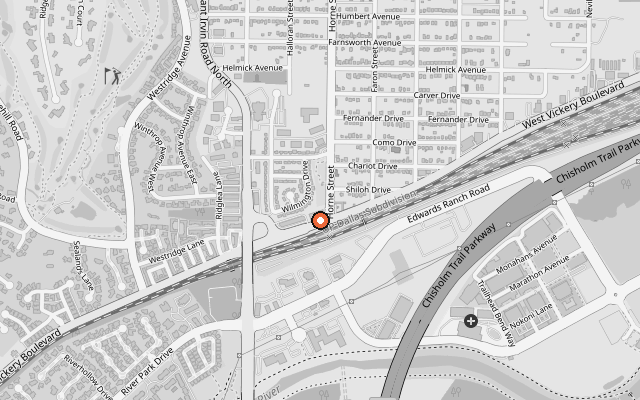
Yes. WLF Club, 5724 W Vickery Blvd, Fort Worth, TX 76107, builds men's health checks into its medical and health optimization programming, read by a licensed provider against your own history and goals rather than handed over as a printout.
This article is for education, not medical advice, and it isn't a promise of a specific result. Talk with a qualified provider about your situation before changing your training or health plan.
Sources: MedlinePlus · Mayo Clinic · CDC. Every citation links to the original source above.