
Your low back has felt a little off for four days now. Not sharp, not enough to cancel anything, just enough that you notice it every time you bend to tie your shoes. You're not about to call anyone in a panic. You're trying to answer something more ordinary: when to see a chiropractor in Fort Worth, and whether this is even something a chiropractor addresses.
That question deserves a straight answer, not a sales pitch. Most new aches are your body adjusting to something, a long drive, a new exercise, a rough night of sleep, and they settle down as the tissue catches up. A smaller number are your body flagging something that actually needs a closer look. The real job here is telling those two apart, not treating every ache like an emergency.
Most new aches settle on their own, and waiting a week or two to see if that happens is often the reasonable move, not something you did wrong. A chiropractic visit becomes worth booking when the ache changes, keeps repeating, or starts limiting how you move. A doctor becomes necessary when it shows up with one of a short list of specific warning signs, and none of those have anything to do with how much it hurts.
Most new aches settle on their own
For ordinary back or neck pain, without any of the warning signs further down this page, the numbers are actually on your side. MedlinePlus's overview of acute low back pain notes that many people start feeling better within about a week, and most recover within four to six weeks, often sooner than that.
That doesn't mean every ache is nothing. It means a few uncomfortable days on their own aren't usually the signal to worry about. Waiting to see if a new ache settles is a reasonable first move for most people, not avoidance.
When to see a chiropractor in Fort Worth
An ache is worth a second set of eyes when it hasn't eased after a couple of weeks, when it comes back every time you do the same activity, or when it's starting to change how you move: guarding a side, avoiding a stretch, sleeping differently to get away from it. None of that is an emergency. It's a pattern, and patterns are what a chiropractic assessment is actually built to look at.
That's a different question than whether to stretch it out for another week. If the ache keeps returning no matter what you try on your own, that pattern is worth understanding instead of repeating, which is why we've written separately about why stretching alone rarely holds and why the same pain keeps coming back.
The signs that mean a doctor, not a chiropractor
A short list of situations point away from a chiropractic visit and toward a physician or emergency care instead. None of these are common, and none of them are about how bad the pain feels in the moment.
- Pain that started right after a serious fall, car accident, or hard blow, especially one you never got checked out.
- Any loss of control over your bladder or bowels alongside back pain.
- New or worsening weakness, numbness, or tingling in a leg, both legs, or the groin area.
- Back pain along with an unexplained fever, or a personal history of cancer.
- Back pain that shows up with chest pain, pressure, or shortness of breath.
- Unexplained weight loss alongside pain that isn't settling.
MedlinePlus's guide to acute low back pain lists pain after a severe blow or fall, loss of bladder or bowel control, an unexplained fever, and weakness or numbness in the buttocks, thigh, leg, or pelvis as reasons to contact a provider right away instead of waiting it out. Cleveland Clinic's overview of chiropractic adjustment notes that, though rare, chiropractic care can be associated with serious complications like cauda equina syndrome, and that a chiropractor who sees a case like that should refer you to another provider rather than treat it in the office.
If any of that describes what's going on, the right next step is a physician or emergency care, not a chiropractic visit, no matter how close the building is.
What a chiropractic visit actually looks for
Pain is rarely the whole story. It's usually the signal that something else, a joint that isn't moving the way it should, a pattern your body built around an old injury, is working harder than it needs to. A chiropractic assessment starts by looking at how you move, not just where it hurts, because the sore spot and the actual cause are often two different places.
If you're in Fort Worth searching for a chiropractor near you because something feels off, that's the real value of the visit: an actual look at the pattern behind the ache, not just a way to quiet it down for the afternoon.
What a first visit at WLF Club looks like
At WLF Club, a first chiropractic and rehab visit starts with a real look at how you move, not a five-minute glance at the sore spot. That's what decides whether your case is a straightforward adjustment-and-rehab plan or something that should be seen by a physician first. Getting that read early is the entire point of the visit.
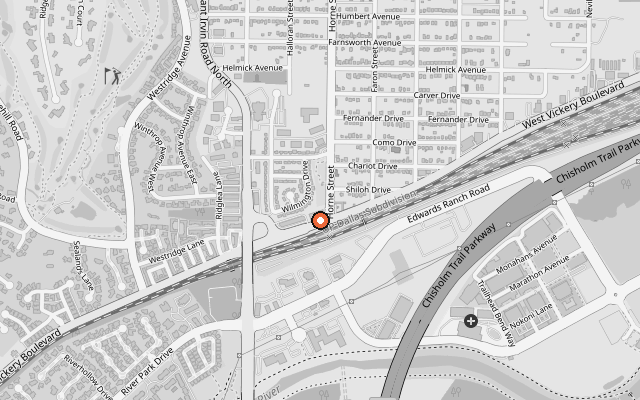
WLF Club is at 5724 W Vickery Blvd in Fort Worth, TX. A free phone consultation is the fastest way to find out which situation you're actually dealing with, before anything gets scheduled.
Frequently asked questions
QHow long should I wait before seeing a chiropractor for back or neck pain?
For an ordinary new ache, without any of the warning signs on this page, giving it a week or two to settle is a reasonable starting point. If it's still hanging around, changing how you move, or coming back every time you repeat the same activity, that's when a chiropractic assessment is worth booking.
QWhat are the warning signs that mean I should see a doctor instead of a chiropractor?
Pain after a serious fall or accident, loss of bladder or bowel control, new weakness or numbness in a leg or the groin, fever with back pain, unexplained weight loss, or pain that shows up with chest pain or shortness of breath. Any of those call for a physician or emergency care, not a chiropractic visit.
QIs it normal for a new ache to come and go for a couple of weeks?
Yes. Many new aches settle down as sore tissue adjusts, and MedlinePlus notes most people with ordinary back pain start feeling better within about a week and are mostly recovered within four to six weeks. A few uncomfortable days on their own aren't usually a reason to worry.
QCan a chiropractor tell if something more serious is going on?
A chiropractic assessment looks at how you move, not just where it hurts, which can surface patterns worth a closer look. If what a chiropractor finds points toward something outside what chiropractic care addresses, the right move is a referral to another provider, not treatment in the office.
QDo I need a referral to see a chiropractor in Fort Worth?
No. You can book directly with WLF Club. A referral isn't required to start with a chiropractic and rehab assessment.
QWhen should I see a chiropractor in Fort Worth instead of waiting it out?
Once an ache has lasted more than a couple of weeks, keeps coming back with the same activity, or is changing how you move, sleep, or train, that's generally when to see a chiropractor in Fort Worth rather than keep waiting. None of that requires an emergency room unless it comes with one of the warning signs listed above.
This article is for education, not medical advice, and it isn't a promise of a specific result. Talk with a qualified provider about your situation before changing your training or health plan.
Sources: MedlinePlus · Cleveland Clinic. Every citation links to the original source above.