
Twenty minutes. That's the whole session, and if you haven't seen the machine, Vasper training Fort Worth members use at WLF Club sounds too short to do anything. A stationary bike or an arm crank. Pressure cuffs strapped around your upper arms and thighs. Cold water running through the cuffs. A pedaling effort that, watched from across the room, never looks hard. The claim is that this combination produces a real training stress in a fraction of the time a normal workout takes. Here is what is actually happening in that chair, and where the evidence backs it up versus where it's still thin.
Vasper is short for vascular performance, and the name describes the method better than most equipment branding does. The machine isn't asking your muscles to move a heavier load. It's changing the conditions around a light one: less blood able to leave the working limb between efforts, a lower local skin temperature, and short bursts of pedaling instead of one long steady ride. Put those three things together and a light pedal stroke stops feeling light.
A normal hard workout gets its stress from load: more weight, more distance, more pace. Vasper is built to get a comparable stress from conditions instead: the cuffs limit how much blood leaves the muscle between efforts, and the cooling changes how the muscle experiences that effort. The pedaling itself barely changes.
What Vasper training actually is
A Vasper session runs on a recumbent bike or an arm ergometer fitted with pneumatic cuffs on both arms and both legs. Once you're seated, the cuffs inflate to a set pressure and chilled water circulates through channels built into them. You then pedal or crank through short intervals, easy effort followed by harder effort, for around 20 minutes total, most of it at a pace that would barely count as a warm-up on a normal bike.
The cuffs and the cooling are doing the actual work. Regular exercise gets harder by adding load or distance. Vasper is built to get a similar physiological demand out of a light load, by changing what's happening in the tissue while you move it.
The three things happening in the chair
Three mechanisms run at the same time on a Vasper machine, and none of them is new on its own.
- Blood flow restriction. The cuffs partially limit blood return from the limb during the working interval, which changes how the muscle experiences a given effort. This is the same principle behind blood flow restriction training used in rehab and strength settings, applied here through pneumatic cuffs rather than a resistance band.
- Localized cooling. Chilled water runs through the cuffs during the session, which our own training page describes plainly: it pairs light loads with cooling to fit a real conditioning session into less time.
- Interval structure. The effort alternates between easy and harder segments rather than holding one steady pace, which is the same basic structure behind any interval workout, just applied at a lower mechanical load than a typical bike sprint.
Each piece on its own has a body of research behind it. The specific combination, all three running together on one machine, is where the evidence gets thinner, and that's covered honestly below.
Why the session runs about 20 minutes
The short session length isn't a marketing shortcut. It's the actual design goal of interval-style training generally, applied here at a lower load than a typical HIIT bike sprint. Mayo Clinic Press notes that high-intensity interval training can produce cardiovascular benefits similar to a much longer continuous workout. In one example they cite, six sessions of repeated 30-second sprint intervals added up to health benefits comparable to 90 to 120 minutes of moderate continuous activity per session. Read Mayo Clinic Press on interval training.
Vasper's version of that principle runs at a lighter mechanical load than a sprint interval, because the cuffs and cooling are meant to raise the physiological demand of the effort without raising the joint stress of it. That's the argument for the shorter session, not a promise that 20 minutes on Vasper replaces every other type of training a person needs.
What the evidence actually supports, and what's still thin
This is the category where honesty matters more than enthusiasm, so here's the split.
Blood flow restriction training itself has a real research base. A 2024 systematic review and meta-analysis of blood flow restriction training in athletes found meaningful improvements in strength measures compared to training without restriction, and noted that low-load blood flow restriction work can produce strength gains comparable to traditional heavier lifting in some settings. Read the review on PubMed Central. That's adjacent evidence for the restriction half of what a Vasper session is doing, not a study of the Vasper device itself.
Interval-style training, covered above, also has a solid, independent research base for producing real cardiovascular benefit in less time than continuous exercise.
What's genuinely thinner is the specific combination: restriction plus cooling plus light-load intervals, all running on one proprietary machine. The manufacturer has published its own pilot studies on hormone response and safety, but those are small, company-run studies, not the large independent trials the research above is built on. We're not going to dress that up. If you want the strongest, most independently verified evidence in this article, it's the blood flow restriction and interval training research above, applied to Vasper as a plausible mechanism, not proven as a specific outcome.
Who a Vasper training session tends to fit
- People rebuilding after an injury or a long break, where a heavier load isn't appropriate yet but the body still needs a real training stimulus.
- Adults balancing training with joint wear, who want a conditioning effect without the pounding of a longer run or a heavy lifting session.
- Busy Fort Worth professionals fitting training around a packed schedule, where a short, structured session beats skipping the gym entirely.
- Anyone already working with a coach on a broader plan, where Vasper is one tool layered into a program built around what an assessment actually shows, not a stand-alone fix.
It's a poor fit as someone's only form of training if the goal is building maximal strength or long-distance endurance. Those still need their own dedicated work.
How WLF uses Vasper training in Fort Worth
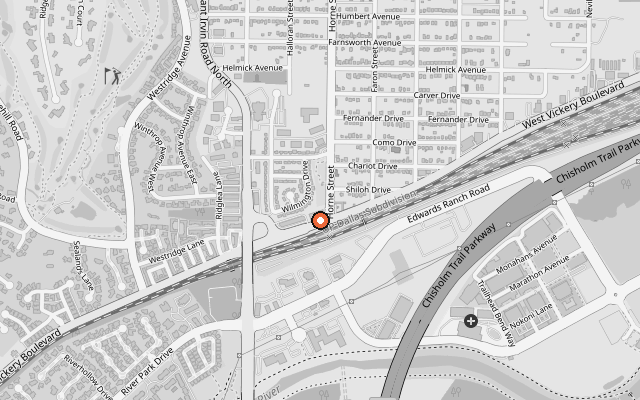
At WLF Club's location at 5724 W Vickery Blvd in Fort Worth, Texas, Vasper sits inside performance training, alongside ARX adaptive resistance work, LiveO2, and TPI-based golf screening. It isn't handed out as a default. A coach looks at what your assessment shows first, then decides whether a short, cuff-and-cooling session is the right tool for where your body actually stands right now.
If you're searching for Vasper training near you in Fort Worth because a short session sounds like it fits your week better than a long one, that's a reasonable place to start the conversation. It's also worth pairing with time in the recovery suite when a coach's read of your training load points that way, and it's one of a few options discussed in our piece on ARX adaptive resistance training, WLF's other short-session strength tool.
Frequently asked questions
QWhat is Vasper training?
Vasper is a stationary bike or arm crank system that pairs pneumatic cuffs on the arms and legs with cooling water circulating through those cuffs, done in short intervals over about 20 minutes. It's built to raise the physiological demand of a light effort rather than raising the mechanical load.
QHow is Vasper different from a normal bike workout?
A normal bike workout gets harder by pedaling faster or longer. Vasper keeps the pedaling light and instead changes the conditions around it, using cuff pressure to limit blood flow from the limb between efforts and cooling to change how the muscle experiences the work.
QWhy is a Vasper session only 20 minutes?
Interval-style training in general can produce cardiovascular benefits similar to a much longer continuous workout, which is the design principle behind the short session length. Vasper applies that idea at a lighter mechanical load than a typical sprint interval, aiming for less joint stress along the way.
QIs Vasper training backed by strong scientific evidence?
The individual pieces, blood flow restriction and interval training, have real independent research behind them. The specific combination running on the Vasper device itself is backed mostly by the manufacturer's own smaller pilot studies, not large independent trials, and that's worth knowing before you expect it to outperform proven basics like consistent strength and cardio training.
QWho is Vasper training built for?
It tends to fit people rebuilding after an injury or a break, adults managing joint wear who still want a real conditioning effect, and busy professionals who need a short, structured session. It's not meant to replace dedicated strength or endurance work for someone chasing those specific goals.
QDoes Vasper replace strength training or cardio at WLF Club?
No. Vasper is one tool inside a broader training program at WLF Club, used when a coach's read of your assessment shows it's a good fit, alongside ARX, LiveO2, and standard strength and conditioning work rather than instead of them.
This article is for education, not medical advice, and it isn't a promise of a specific result. Talk with a qualified provider about your situation before changing your training or health plan.
Sources: Mayo Clinic Press · PubMed Central. Every citation links to the original source above.