
Search sports chiropractor Fort Worth and you get a list of names, not a ranking. There is no separate license behind the term, no board that hands out a "sports chiropractor" credential the way a fellowship marks a surgeon's specialty. Every name on that list holds the same Doctor of Chiropractic degree and the same state license. So if the label itself is not what tells you the difference, something else has to.
That something is the approach behind the visit, not the letters after a name. Two providers can hold identical credentials and still run completely different visits: one that starts at the spot that hurts and stops there, and one that starts by finding out why that spot keeps talking. The gap between those two approaches is what this post is actually about.
"Sports chiropractor" describes a focus, not a certification you can verify with a licensing board. The real question is not whether someone uses the label. It's whether the visit starts with an assessment of how you move, or starts with an adjustment and works backward from there.
What "sports chiropractor" actually describes
Chiropractors complete a Doctor of Chiropractic degree, pass the National Board of Chiropractic Examiners exam, and hold a state license before they can see anyone. The National Center for Complementary and Integrative Health's overview of chiropractic care also notes that the specific services a chiropractor is allowed to provide varies by state. None of that licensing process hands out a separate specialty title for sports work, the way an orthopedic fellowship does for a surgeon.
"Sports chiropractor" is a description a provider chooses because of where their interest and caseload sit, not a credential a governing board confers. That is not a knock on the term. It just means the label alone cannot tell you how a visit is actually run, which is the part worth checking before you book anyone.
The real differences between one chiropractic approach and another
Some visits are built around one problem at a time. You describe where it hurts, you get adjusted there, and the visit ends. Other visits are built around a full movement check first, because the spot that hurts is often not where the problem actually started.
The other place approaches split is what happens after the adjustment. A visit built only around manual therapy tends to stop at the table. A visit built around getting someone back to training or back to a normal week folds in rehab work, the exercises that retrain the movement pattern that let the problem build in the first place, so the adjustment is not the only thing holding the change in place.
- Whether the first visit opens with a movement assessment or goes straight to the table.
- Whether rehab exercise is built into the plan or is something you have to ask for separately.
- Whether the provider is used to working with people training hard for a sport, an event, or a demanding job, versus mostly acute pain.
- Whether a plan gets named before the findings are in, or gets built from them.
Why the evidence on manual therapy is modest, and why that is not a red flag
Honesty about what an adjustment can and cannot do matters more than the label on the door. A Cochrane review of spinal manipulative therapy for chronic low back pain rated the certainty of the evidence as low to very low, and found only a modest advantage over other conservative care like exercise, once manipulation was compared against those alternatives rather than against doing nothing.
That is not a reason to write off manual therapy. It is a reason not to sell it as the whole plan. Modest, honestly stated evidence is exactly why rehab and movement work carry as much weight in a good plan as the adjustment itself, instead of riding along as an afterthought.
When a different provider is genuinely the better call
MedlinePlus's guidance on back pain is direct: get medical attention if the pain is severe, if it does not improve after three days, or if it started with an injury. That call belongs to a physician first, not a chiropractic visit repeated on a loop hoping the pattern changes.
There are quieter versions of the same answer. Someone who wants purely passive symptom relief and has no interest in movement-based rehab may be better served by a provider built around that instead. Someone already working with a physical therapist on the same issue does not need a second, competing plan bolted on top; the two should be talking to each other, not replacing one another. A good assessment says this out loud rather than finding a way to keep every visitor on the schedule.
What a sports chiropractor in Fort Worth looks like at WLF Club
At WLF Club, chiropractic and rehab care starts with a movement assessment, not the table. Where the findings point to a joint restriction, an adjustment happens. Where they point somewhere else, rehab or a different lane of the club is where the plan actually starts, because assessment first, adjustment second, rehab always is the stance the whole clinic runs on, not a slogan reserved for a sports case.
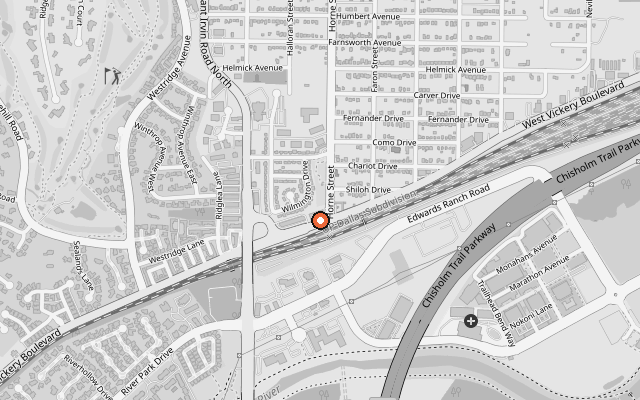
If you are searching for a sports chiropractor near you in Fort Worth, TX, that is the actual thing worth comparing: not the word "sports" in front of "chiropractor," but whether the visit reads your whole movement pattern before deciding what it needs. WLF Club sits at 5724 W Vickery Blvd, with the recovery suite and performance training in the same building for when a plan calls for more than an adjustment. If pain keeps finding its way back after other visits, that is usually the sign the assessment step got skipped, not that chiropractic itself was the wrong idea.
Frequently asked questions
QWhat does "sports chiropractor" actually mean?
It describes a chiropractor's focus and caseload, not a separate license. Chiropractors all complete the same Doctor of Chiropractic degree and hold the same state license; "sports" describes what a provider spends more time working with, like return-to-training patterns, rather than a distinct credential a board hands out.
QIs a sports-focused chiropractor different from a regular chiropractor?
The license and training are identical. What can differ is the framework: whether the visit starts with a movement assessment or goes straight to the table, whether rehab is built into the plan, and whether the provider is used to working with people who train hard and want to keep training, not just get out of pain.
QDo I need to be an athlete to see a sports-focused chiropractor?
No. The same assessment-first approach that helps an athlete close a performance gap also works for someone who just wants to keep gardening, playing with their kids, or walking without a setback. The label describes the approach, not who is allowed to use it.
QHow do I know if chiropractic is even the right fit for my pain?
A real assessment should tell you, not assume it. MedlinePlus recommends getting medical attention if back pain is severe, does not improve after three days, or started with an injury, and that is worth doing before any chiropractic visit.
QWhat if my chiropractor doesn't seem to be helping?
That is useful information, not a failure. If a plan is not changing anything after a fair trial, the honest next step is to say so and look at a different provider, a different type of care, or a referral, instead of repeating the same visit and hoping the pattern changes on its own.
QDoes WLF Club have a sports-focused chiropractor in Fort Worth?
Yes. WLF Club's chiropractic and rehab care in Fort Worth, TX starts with a movement assessment before any adjustment, and folds in rehab so a plan is built around what your body actually needs, whether that is getting back to a sport or just getting back to normal life.
This article is for education, not medical advice, and it isn't a promise of a specific result. Talk with a qualified provider about your situation before changing your training or health plan.
Sources: NCCIH · Cochrane · MedlinePlus. Every citation links to the original source above.