
Picture a mask wired to a box that switches the air you breathe between low oxygen and oxygen-enriched air while you pedal or walk. That is what people mean when they search LiveO2 oxygen training Fort Worth. The pitch borrows real science. Altitude changes what your body does with oxygen. The honest question is how much of that borrowed science survives the trip from a mountain trail down to twenty minutes on a stationary bike with a mask strapped on.
LiveO2 calls its method Adaptive Contrast: short bursts of reduced-oxygen air followed by bursts of oxygen-rich air, cycled back and forth while you move. The idea is to trigger some of the same signals your body produces when oxygen actually runs short at altitude, like widening blood vessels and nudging your body to make more red blood cells, without ever leaving Fort Worth. Real altitude produces those signals over days and weeks of living somewhere higher. What follows is what the research says about whether a short, alternating-air session on a machine gets close to that same effect.
Altitude training works because the body spends days and weeks adjusting to less oxygen, not minutes. LiveO2 compresses that exposure into short, alternating bursts, and the honest answer is that the research on the compressed version is much thinner than the research on the original.
What LiveO2 oxygen training actually is
LiveO2 is built around a mask, a system that adjusts the oxygen percentage in the air you breathe, and a screen that tracks your oxygen saturation and heart rate while you exercise. A typical session alternates a low-oxygen phase, close to breathing air at a few thousand feet of elevation, with a high-oxygen phase, repeated a handful of times while you cycle, walk, or do light resistance work. The pattern has a real name in the research literature: intermittent hypoxia-hyperoxia training, shortened to IHHT. LiveO2 is a branded commercial version of that idea, not a separate invention.
It is not the same thing as a hyperbaric oxygen chamber. A hyperbaric chamber raises air pressure and is used for a specific, medically approved list of conditions under a provider's order. LiveO2 runs at normal air pressure. It only changes the oxygen percentage moving through the mask while you move, which is a different tool built for a different question.
LiveO2 oxygen training Fort Worth: what the evidence actually shows
Split the claims into what is well studied and what is still thin, and the picture gets a lot clearer.
What holds up. Real altitude training, living or training at elevation for days or weeks, is genuinely tied to a rise in VO2 max in endurance athletes. A systematic review and network meta-analysis of hypoxic training protocols found that living at altitude while training at a lower elevation produced the most consistent aerobic gains among the approaches studied, while also noting that most of the underlying studies carried a real risk of bias. The mechanism is not invented. The dose that produces it, in the research that actually exists, is measured in days and weeks, not minutes.
What is still thin. The specific method behind LiveO2, short alternating bursts of low and high oxygen air instead of sustained time at altitude, is its own research category called intermittent hypoxia-hyperoxia training. A systematic review of that literature screened over a thousand studies and found only eight that met scientific criteria, and most of those eight were run in clinical rehabilitation settings, such as recovery after heart surgery or long COVID, not in healthy adults training for performance. The review's own conclusion is careful. It says the approach might be a promising strategy worth studying further, which is a hope for future research, not a settled finding today.
Nobody has published a large, controlled study on a twenty-minute LiveO2 session proving it produces the same physiological signal as weeks spent living at altitude. That gap is the honest answer here, not a footnote to skip past.
Who a LiveO2 session might actually make sense for
A coach looking at your training history and health background might reasonably consider LiveO2 for:
- An athlete or serious trainee already following a structured program, adding it as one more input, not the whole plan
- Someone curious about a new recovery and training tool who understands it is exploratory, not a proven treatment
- A person their own doctor has cleared to safely handle short swings in oxygen while exercising
It is a different story for anyone managing a heart or lung condition. Cleveland Clinic notes that heart and lung disease raise the risk around low-oxygen environments, including something as ordinary as high-altitude travel, and recommends talking with a provider before making a change like that. The same caution applies here. Anyone managing a heart or lung condition should get their own doctor's input before stepping onto a LiveO2 machine, not just a green light from a front desk.
How WLF Club approaches LiveO2 training
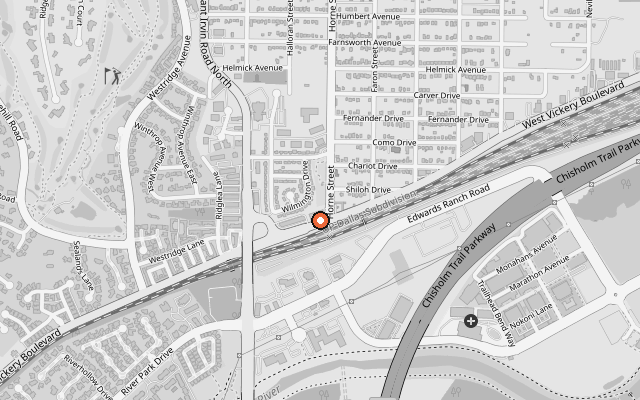
At WLF Club's location at 5724 W Vickery Blvd in Fort Worth, Texas, LiveO2 sits inside performance training, not as a standalone walk-in service with a fixed script. A coach looks at your training history and current program before adding it, and it gets framed the way the research actually supports it: an added input worth trying inside a real plan, not a shortcut around consistent training.
For members already spending time in the recovery suite, LiveO2 can be one more tool a coach weighs alongside sleep, training load, and how your body is actually responding to work, the same measure-first approach used everywhere else on this floor. If you want to know what your own aerobic capacity looks like before adding a tool like this to your week, read what VO2 max testing actually measures first.
What this isn't
Some marketing around oxygen training reaches toward chronic disease, cognitive decline, or long-term brain health. That reach goes well past what the current research supports, and this article will not repeat it. LiveO2 is not a treatment for a diagnosed condition, and it does not replace a relationship with a cardiologist, pulmonologist, or primary care provider. If you are in Fort Worth searching for a LiveO2 session near you, expect a training tool with a promising but early evidence base, not a medical intervention.
Frequently asked questions
QWhat is LiveO2 oxygen training?
LiveO2 is a system that alternates low-oxygen and high-oxygen air through a mask while you exercise, a method it calls Adaptive Contrast. It is a branded version of a research category called intermittent hypoxia-hyperoxia training.
QIs LiveO2 the same as altitude training?
No. Altitude training involves living or training at elevation for days or weeks. LiveO2 compresses alternating low and high oxygen air into a short session on a machine, and the research behind that shorter version is much thinner than the research behind real altitude exposure.
QDoes LiveO2 improve VO2 max?
Real altitude and altitude-simulating protocols are tied to modest VO2 max gains in athletes in the broader research literature. The specific short, alternating-air method LiveO2 uses has far fewer controlled studies behind it, so that direct claim is not well settled yet.
QIs LiveO2 safe for people with heart or lung conditions?
Anyone managing a heart or lung condition should talk with their own doctor before trying a low-oxygen training method. Low-oxygen environments carry real risk for those conditions, and that decision belongs with a treating provider, not a training floor.
QHow is LiveO2 different from a hyperbaric oxygen chamber?
A hyperbaric chamber raises air pressure and is used for a specific, medically approved list of conditions under a provider's order. LiveO2 runs at normal air pressure and only changes the oxygen percentage in the air you breathe through a mask while you move.
QDoes WLF Club offer LiveO2 training in Fort Worth?
Yes. LiveO2 sits inside WLF Club's performance training in Fort Worth, added to a member's program by a coach rather than sold as a standalone session.
This article is for education, not medical advice, and it isn't a promise of a specific result. Talk with a qualified provider about your situation before changing your training or health plan.
Sources: PMC · PubMed · Cleveland Clinic. Every citation links to the original source above.