
Most golfers who lose distance blame the swing first. They book another lesson. They try a new grip. A few months later, the same fault shows up again, because the swing was never the actual problem. The body running it was. That's the starting point for golf performance training in Fort Worth built around a TPI screen: find the physical limit before you try to coach around it.
TPI stands for the Titleist Performance Institute. It isn't a machine or a single test. It's a body of research built by screening thousands of golfers and mapping the physical limits behind common swing breakdowns. A TPI-based screen borrows from that research to look at your body on its own, separate from your swing, before anyone talks about fixing your swing.
A TPI screen doesn't start by watching you swing. It watches how your body moves without a club in your hand, then compares that separately to your swing on video. That order matters. It's how a screen can catch a physical limit a swing tip never will.
The swing fault that isn't a swing problem
A swing coach can only work with the body you bring them. If your lead hip has lost rotation, your mid-back won't separate from your hips, or your shoulder can't get overhead anymore, no tip reaches that. It isn't a swing fault. It's a movement restriction wearing a swing disguise, and no amount of practice teaches a joint to move through range it doesn't have.
Most golfers who get screened aren't injured. They're just tighter than they were five years ago, and it's quietly costing them yards and consistency without a single obvious symptom to point to.
What a TPI screen actually looks at
A TPI-based screen is a movement assessment, not a workout and not a swing lesson. It runs through a set of tests in athletic clothes, usually well under an hour, with no club involved until the end. It's checking whether specific joints and movement patterns have the range and control a golf swing asks for.
The categories a screen commonly checks include:
- Hip rotation on each side, since the hips drive most of the turn in a golf swing
- Thoracic spine (mid-back) rotation, which is supposed to separate from the hips during the swing
- Shoulder mobility, including how far you can reach overhead
- Single-leg stability and control
- Core and pelvic control, meaning how well you can rotate without your lower back taking over
Each area gets compared against a normal range for that movement, not against another golfer's swing. That's the point. A screen measures your body against a standard, then leaves the swing interpretation for a separate step.
What the research actually shows
The link between hip mobility, spine rotation, and the golf swing isn't a marketing idea. A kinematic study of professional golfers found a strong coupling between lumbar spine rotation and hip joint rotation during the swing, with the two moving together throughout the backswing and downswing.See the study on PubMed Central. When the hip and the spine are that closely linked, a restriction in one has somewhere to go, and it's usually the other.
A separate review of biomechanical risk factors for low back pain in golfers found that limited hip rotation shows up more often in golfers who report pain than in those who don't, though the research is honestly mixed and not every study agrees.Read the review on PubMed Central. The reviewers are direct about it: hip mobility is a real factor worth checking in an individual golfer, not a rule that applies the same way to everyone.
This isn't a WLF-only idea, either. Cleveland Clinic runs its own golf movement screen built around Titleist's measures of functional range of motion and joint stability, which is the same clinical territory a TPI-based screen works in.See Cleveland Clinic's golf movement screen.
What a screen can tell you, and what it can't
A screen can tell you which specific movements are restricted compared to a normal range, and it can connect a restriction you have to a pattern that commonly shows up in your swing. That's genuinely useful information you didn't have before.
Here's what it can't do. It can't promise a number of yards, a lower handicap, or a faster club head speed. It can't diagnose an injury. And it isn't a substitute for a swing lesson, it's designed to support one by clearing up whether your body can actually make the move your coach is asking for. Results depend on you, your body, and the work you put in after the screen, not on the screen itself.
If you're in acute pain, or you're pre- or post-surgical, a screen isn't the right first step. A conversation with a provider about what's actually going on comes first.
Golf performance training in Fort Worth, after the screen
The screen is the input, not the finish line. At WLF Club, results from a TPI-based screen feed into the same performance floor used for the rest of our sports performance training, run by TPI-certified providers who connect what your body can and can't do to what's actually happening in your swing.
The mobility limits a golf screen turns up aren't unique to golfers. They're the same patterns we see across general fitness work after 40, and the same reason our recovery suite sits in the same building as the training floor instead of somewhere you'd have to drive to. A restriction found on a Tuesday screen doesn't wait until your next appointment to start getting addressed.
Who this is for
If you're a competitive or serious golfer in Fort Worth, TX chasing consistency, a screen gives you a specific place to start instead of another generic mobility routine pulled off the internet. It tells you which one or two things are actually worth your training time.
If you're a recreational golfer who just wants 18 holes to feel good again, this still applies. You don't have to be injured or competitive to have a body that's quietly stopped doing what you're asking it to do. That's most of who gets screened.
Frequently asked questions
QWhat is a TPI screen?
A TPI screen is a physical movement assessment based on research from the Titleist Performance Institute. It checks mobility, stability, and control in the joints and movement patterns a golf swing relies on, separate from watching you actually swing a club.
QDoes a TPI screen replace my swing coach?
No. It's designed to support your coach, not replace them. Your coach can only work with the body you bring in. A screen finds what's physically restricted so the lessons you're already taking have a better chance of holding.
QDo I have to be injured to get screened?
No. Most golfers who get screened aren't in pain. They're tighter than they used to be, and it's affecting their swing quietly, without an obvious injury to point to.
QWill a TPI screen add distance to my drive?
A screen itself doesn't add anything. It identifies restrictions that may be limiting your swing, and any change in distance or consistency depends on the work you do afterward, your body, and your starting point. Nobody honest promises a specific number.
QHow long does a golf movement screen take?
Plan for well under an hour, in athletic clothes, with no club needed until the very end of the process.
QWhere can I find a TPI-based golf screen near me in Fort Worth?
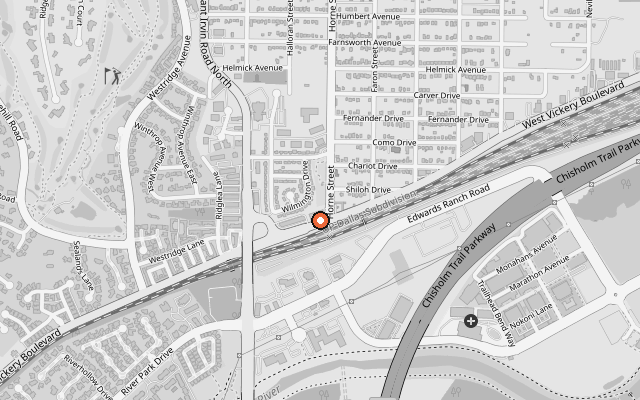
WLF Club runs TPI-based golf performance screening in Fort Worth, TX at 5724 W Vickery Blvd, connected directly to our sports performance training floor and recovery suite so a restriction gets addressed instead of just noted.
This article is for education, not medical advice, and it isn't a promise of a specific result. Talk with a qualified provider about your situation before changing your training or health plan.
Sources: PubMed Central · Cleveland Clinic Canada. Every citation links to the original source above.