
Most people leave a chiropractic adjustment and go straight to the car. That makes sense. You feel looser, a little tender, and the natural move is to go home and sit down for the rest of the day. But the hours right after an adjustment are not a throwaway window. Your body is settling into a change, and what happens next has a real say in whether that change holds. That is the whole case for a chiropractor with a recovery suite in Fort Worth: the part of your care that used to end at the front door does not have to end there anymore.
At WLF Club, the treatment table and the recovery suite sit in the same building. Sauna, cold plunge, red light, and PEMF are not a separate errand across town. They are twenty steps down the hall.
Mild soreness after an adjustment is common and usually settles within a day or two on its own. Recovery tools are not a shortcut around that process. They are a way to make the window more comfortable while your body does the work.
What most people actually do after an adjustment
Walk into almost any chiropractic office in Fort Worth and the visit ends the same way. You get adjusted, you get a home-exercise handout, and you leave. If your provider suggests ice or heat, you are doing it yourself later, probably without either one in the house.
That is not a knock on those clinics. Most were never built to include recovery tools, so the advice stops at the door because the equipment does too. The gap is not the advice. It is the access.
What your body is doing in the first few hours
An adjustment applies a controlled, quick force to a joint that was not moving the way it should. Mayo Clinic notes that mild soreness in the treated area, along with dizziness or tiredness, is a common response, and it typically clears up within a day or two.
That window is your nervous system and the surrounding muscles adjusting to a joint that is now moving differently than it was an hour ago. Muscles that had been guarding the area may still feel tight even after the restriction is gone, simply because they have not caught up to the change yet.
Why heat, cold, and soft tissue work get paired with manual therapy
Cold and heat are old tools, and the research on them is narrower than the marketing around them suggests. A Cochrane review of cold-water immersion found some evidence that it reduces muscle soreness after exercise compared with rest alone, though the authors were clear that the trials were small and the ideal protocol is still not settled.
Cleveland Clinic's guidance is more general: ice is usually the better call for a fresh injury and active swelling, while heat is designed to help with the stiffness that shows up once the acute phase has passed. Most of that research is built around exercise, not spinal manipulation specifically, so it is a reasonable starting point, not a promise about what a plunge or a sauna session will do for your particular adjustment. For a closer look at how WLF actually programs sauna, cold plunge, and red light, see the full recovery science breakdown.
Why a chiropractor with a recovery suite in Fort Worth changes the after-adjustment window
Having the tools in the same building changes what is actually realistic to do with that window. Nobody drives fifteen minutes to a separate recovery studio on their way home from getting adjusted. Twenty steps down the hall is a different decision entirely.
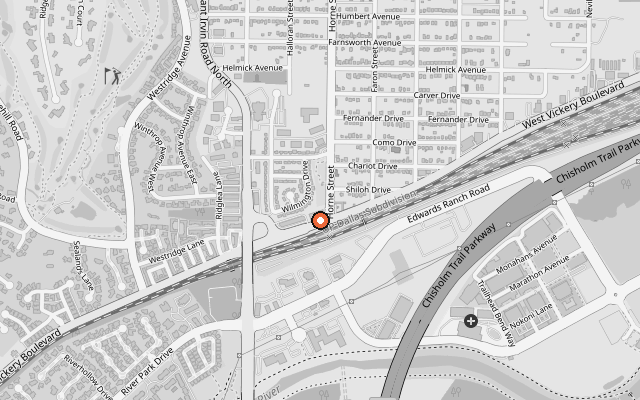
WLF Club's recovery suite at 5724 W Vickery Blvd sits inside the same Fort Worth building as the treatment room:
- Sauna: heat built to support circulation and help you unwind once the appointment is over.
- Cold plunge: a short, deliberate cold exposure some people use after a treatment or a hard training day.
- Red light therapy: a passive, lie-down session some people pair with soft tissue work.
- PEMF: a passive recovery tool used on lower-stimulus days between sessions.
None of these tools replace the adjustment or the rehab work that helps the change hold. They are the part of the visit that used to depend on you owning the right equipment at home, or booking a second appointment somewhere else entirely. If you are searching for a chiropractor with a recovery suite near you in Fort Worth, this is the actual difference to look for: whether the recovery suite is part of the same visit or a separate errand.
Who this actually matters for
If you train hard, the hours after an adjustment often overlap with the hours after a session. Being able to plunge or use the sauna on the same trip means recovery is not competing with your schedule.
If you are managing a pain pattern that keeps coming back, staying in the building for rehab and recovery in the same visit makes it easier to actually do the follow-through work, instead of it becoming one more errand that gets skipped on a busy week.
If you are 45 or older and mostly want to keep moving without a setback, the value is less about performance and more about not losing a week to a stiff, sore comeback from a normal adjustment.
Frequently asked questions
QWhat should I do right after a chiropractic adjustment?
Most people do fine going about a normal day. Light movement, water, and paying attention to how your body feels are reasonable defaults. If your provider gives you specific home instructions, those come first.
QIs it normal to feel sore after a chiropractic adjustment?
Yes. Mild soreness, along with occasional dizziness or tiredness, is a common response and usually settles within a day or two. A pattern of soreness that is severe or does not ease up is worth mentioning to your provider.
QCan I use a cold plunge or sauna right after getting adjusted?
Many people do, but it depends on you and what your provider recommends for your specific adjustment. This is a conversation to have with your provider directly rather than a blanket answer, especially if you have a heart condition or another health concern.
QHow is a chiropractor with a recovery suite different from a regular chiropractic office?
The adjustment itself is not different. What changes is what is realistic to do afterward. When the recovery suite is in the same building, the after-adjustment window becomes part of the same visit instead of a separate trip you have to plan and probably will not take.
QDo I need a separate appointment to use the recovery suite after my adjustment?
The recovery suite is part of the building, not a separate booking process bolted onto your chiropractic visit. Ask your provider how it fits around your specific appointment.
QDoes WLF Club have a recovery suite in Fort Worth?
Yes. Chiropractic and rehab run alongside a recovery suite with sauna, cold plunge, red light, and PEMF, all under one roof in Fort Worth, TX.
This article is for education, not medical advice, and it isn't a promise of a specific result. Talk with a qualified provider about your situation before changing your training or health plan.
Sources: Mayo Clinic · Cochrane · Cleveland Clinic. Every citation links to the original source above.